


 |
 |
|
Topic 2: Renaissance Science and Art
| # | Due Date | Pts | Activity | Time |
| 3 | Thursday 11:59 p.m. |
25 | Topic2 + Quiz |
90 min. |
In the first reading assignment we saw that despite Leonardo's remarkable accomplishments and enduring interest to us, his manuscripts were safe-guarded with utmost secrecy (to preserve their value to his court patrons). Unfortunately, therefore, his writings were of little influence for the development of science. Such secrecy was also a characteristic of the Hermetic tradition, which became an important scientific movement through the 16th and 17th centuries. Two other movements of central importance for science were Renaissance humanism and Neoplatonism. We will also take a brief look at by far the most important contribution of the 15th century to science: the printing revolution, which made it possible to magnify the influence of ideas by rapidly disseminating them throughout European culture. For a brief sampling of 15th-century science under these headings, please carefully read all of the pages linked to below (except for those marked optional). Then conclude with the short reading assignment from your textbook by Debus.
 |
 |
  |
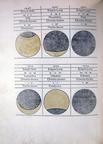
Hrabanus
Maurus, De opus universo (1469) |
Sacrobosco,
De sphaera (1490) |
Duns
Scotus, On the Sentences of Lombard, 1481 (the back
wooden cover displays the brand of a Franciscan monastery) |
  |
 |
|
Regiomontanus,
Kalendarium (1476) |
Regiomontanus,
Epitome of Ptolemy's Almagest (1496) |
|
| TOPIC QUIZ: The statements are either True or False. When you take the quiz at Janux, you will see 12 of these statements, chosen at random, worth 2 points each. |
"If Uri Geller bends spoons with divine power, he's doing it the hard way." James Randi

|
HSCI 3013. History
of Science to 17th century |
spellcheck.net | wordcounter.net
Many thanks to the pedagogical model developed in Mythology and Folklore and other online courses by Laura Gibbs, which have been an inspiration for this course.
|
|
This course is currently undergoing major reconstruction to bring it into alignment with the new version of the course at Janux |
|||


